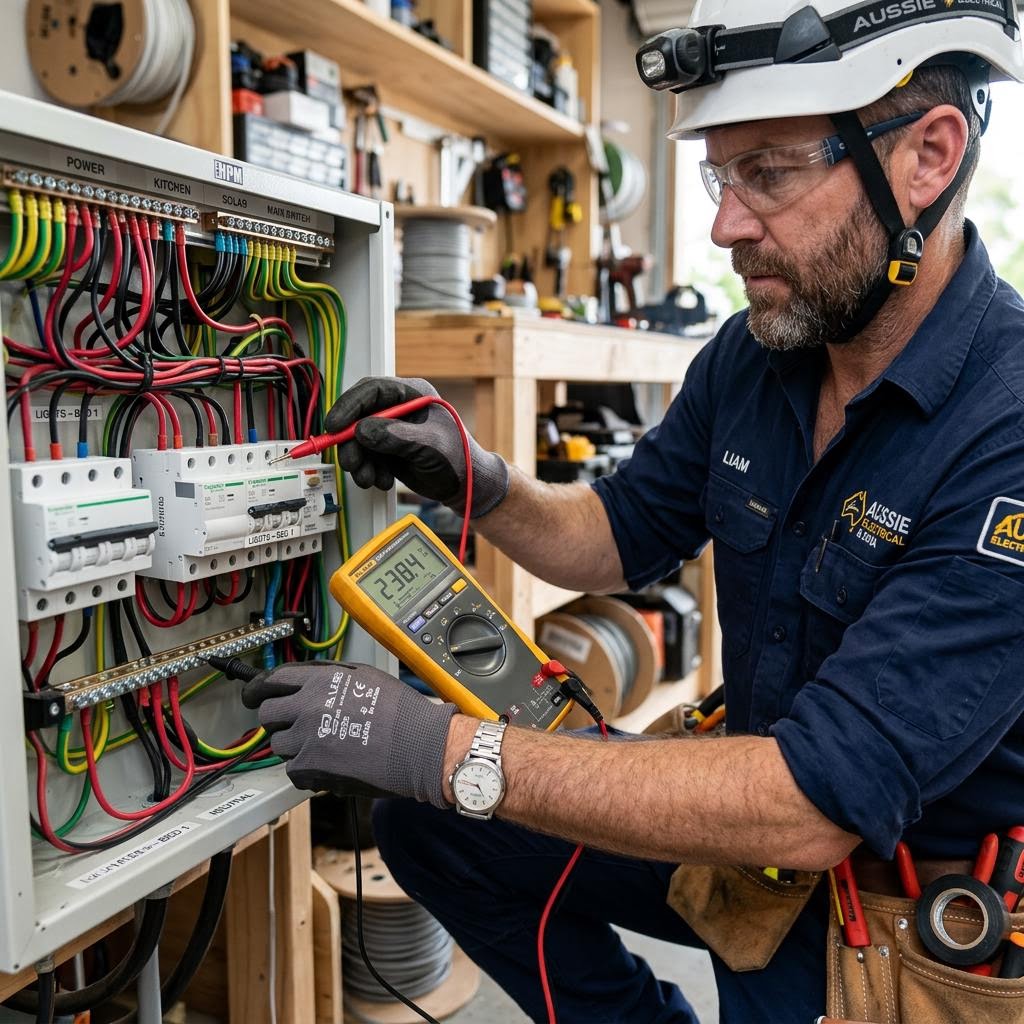
With rising energy costs, solar is more appealing than ever. Maximise your savings with these tips from our solar experts.
Solar savings depend on when your household uses electricity, what your roof can generate and the electricity plan you pay for. Before comparing a headline system size or payback figure, put each proposal against the same household records. There is no single best size or guaranteed saving for every Sydney home.
1. Build a household-use brief
Gather electricity bills covering different seasons, ideally a full year. Record usage in kilowatt-hours (kWh), not just the dollar total. If you have a smart meter, ask your distributor for 12 months of interval data so the estimate can reflect when you use electricity. The distributor is listed under faults and emergencies on your bill.
- Separate daytime use from evening and overnight use. If timing data is unavailable, ask the supplier to label its assumed usage pattern.
- List appliances you could realistically run while solar is generating, and those that must run at other times.
- Record planned changes such as an EV or electric hot water separately from today's measured use.
The Australian Government's system-sizing guide below explains why usage, sunny roof area, shading, budget and network limits all matter. Panel capacity in kW is not the same as daily energy in kWh; ask for the panel size, inverter rating and expected seasonal generation separately.
2. Check the tariff behind the saving
Copy your import rates and time bands, daily supply charge, any demand charge and export feed-in tariff into the brief. Confirm whether installing solar would change your plan. A high export rate alone does not identify the cheapest overall plan.
For a simple system without a battery, ask the supplier to separate electricity used directly in the home from electricity exported. Self-used solar can avoid buying grid electricity at the applicable rate; exports earn the applicable feed-in credit. The same unit of electricity cannot count in both groups.
That is an explanation of the energy benefit, not a full bill or payback calculation. Fixed charges remain, and time-of-use rates, demand charges, export caps and a changed plan can alter the result. The government tariff guide below links to Energy Made Easy for comparing NSW plans.
3. Compare proposals on the same assumptions
Use one line for each item below and a column for each quote. Mark missing information as 'not supplied', rather than treating it as zero. Inner West Council's quote guide and the ACCC's consumer guidance below explain what a written proposal should make clear.
- Design: panel and inverter models, roof layout, shading assumptions, expected generation and connection or export limits.
- Energy estimate: the same usage period, daytime-use assumption, import tariff and export rate. Ask how much generation is used at home and how much is exported.
- Total cost: equipment, installation, metering or switchboard work, exclusions and any incentive assumptions. Separate the purchase price from finance costs.
- Responsibility: who sells and installs the system, who handles faults, and the written product and installation warranty terms.
- Sensitivity: ask for the estimate with less daytime use or a lower export rate. If a recommendation depends on future appliances, request a second estimate without them.
Ask why competing designs differ before choosing the biggest quoted saving. Use the SunSPOT tool linked from the government sizing guide for an independent estimate, not a substitute for a site assessment.
4. Assess a battery separately
Ask for solar-only and solar-plus-battery proposals using the same household and tariff assumptions. A battery adds cost as well as changing grid imports and exports; it does not automatically shorten payback. Use our battery capacity and backup planning guide to compare usable storage, output, reserve settings and backup requirements.
Use the brief, then check actual performance
Take your bills, assumptions and unanswered questions to a discussion about solar installation for your home. Check the contracting business using our NSW tradie verification guide before committing.
After installation, compare monitoring records and bills across seasons with the proposal. Shift suitable appliance use only when it fits your routine and the equipment instructions; do not alter wiring or controlled-load circuits yourself. Ask the installer about unexplained differences and follow the system's maintenance instructions rather than assuming a universal service interval.