Flickering lights can have several causes. Learn what to observe safely, which warning signs need prompt attention and what to tell your electrician.
A light that briefly dims as an appliance starts is a different symptom from several rooms flickering together. Neither observation proves the cause. The useful first step is to notice the pattern, not open a fitting or repeatedly reset a circuit to see what happens.
Start with safety, not a repair
If flickering comes with a burning smell, crackling, visible damage, smoke or an electric shock, keep people away and seek urgent help. Do not touch the fitting, switch or nearby metalwork to check whether it is hot. Leave the area if there is an immediate danger and contact emergency services where needed.
Do not remove switch plates, open the switchboard or attempt wiring work. Water near lights or electrical equipment is another reason to stay clear rather than investigate. An occasional symptom can still warrant assessment; waiting until a fault becomes constant is not a diagnosis.
Record what you can see from a safe position
A short description often helps an electrician decide what to assess first. Use normal household activity as your reference rather than deliberately switching heavy appliances on and off.
- Is it one lamp, a group of downlights or lighting throughout the home?
- Does it occur when dimming, at a particular time or during normal appliance use?
- Has a lamp, dimmer or appliance recently changed?
- Are neighbours reporting an outage or similar supply symptoms?
Why one light and many lights suggest different checks
A single flickering LED may involve the lamp, its driver, the fitting or compatibility with a dimmer. Several lights may share equipment or a circuit, while symptoms across the property can involve the incoming supply. These are possibilities for professional investigation, not conclusions you can draw from flickering alone.
For example, an LED that misbehaves only at the lowest dimmer setting calls for different checks from lights dimming in several rooms. Keep packaging or model details from a recent lamp change. Do not assume every flicker means the whole switchboard needs replacing.
What to expect from fault finding
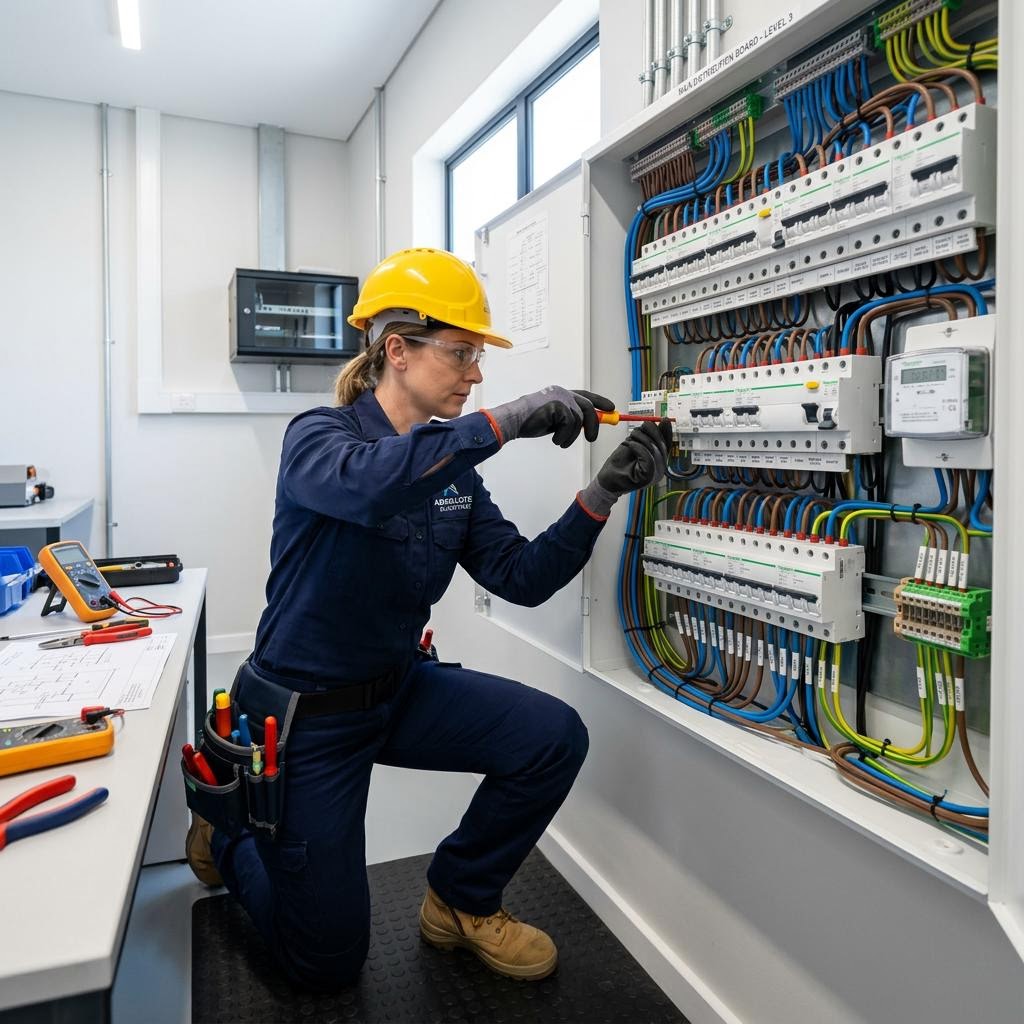
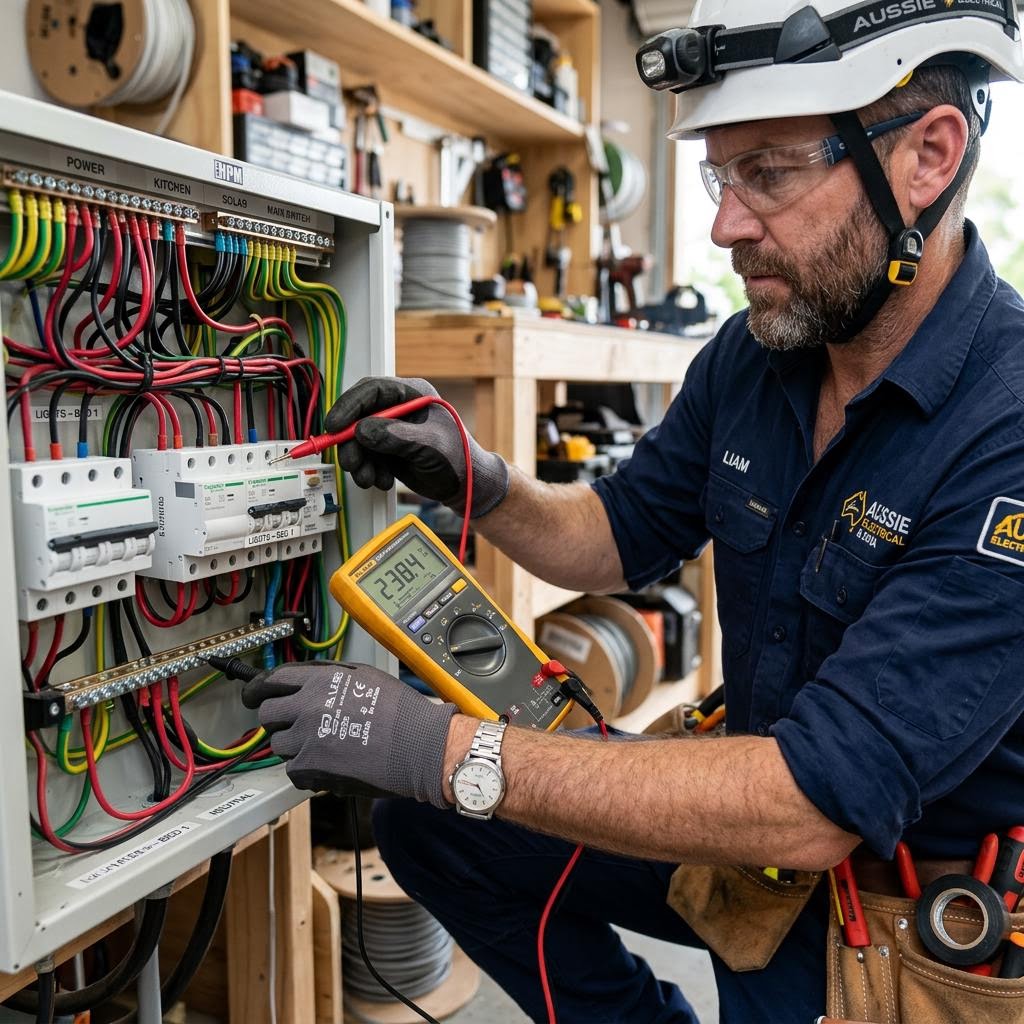
When the pattern is recurring or unexplained, electrical fault detection and repair services can assess the affected equipment and distinguish a local fault from a wider issue. Explain when the symptom began and whether any work or storm damage preceded it.
Ask what was found, which repair is recommended and whether any further supply investigation is needed. If you rent, report the symptoms promptly to your property manager and keep a record. The aim is an identified cause and a safe response, not trial-and-error replacement of parts.