Check underfloor heating compatibility across the floor, underlay and heating system. Request written product-specific requirements before installation.
Underfloor heating compatibility belongs to the complete assembly, not just the visible floor covering. The heating type, substrate, underlay, adhesive where used and flooring product all matter. Begin with the actual system details and ask the relevant professionals to confirm the combination. A general “suitable for heating” label should not replace written instructions for the selected products.
Identify the heating system
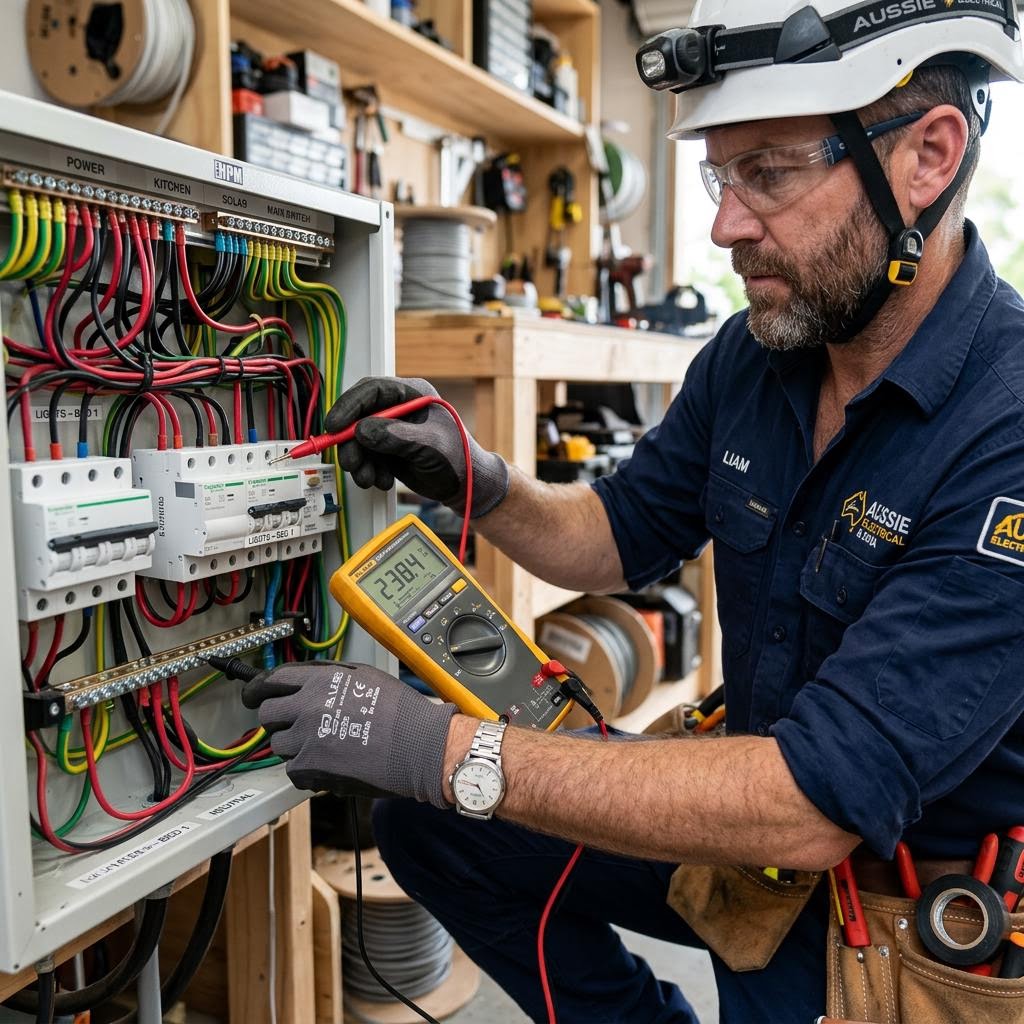
Find installation records, model details and operating instructions for an existing system. State whether the system is known or still being designed. Do not open controls, remove sensors or expose heating elements yourself to gather information. Electrical work needs an electrician, and other systems may involve additional trades. An unknown existing installation is an assessment requirement, not a reason to assume compatibility with a new covering.
Request the flooring requirements
Ask the supplier for the exact product’s heating compatibility, installation method and operating limits. Quick-Step’s laminate guidance illustrates that an approved combination can exclude a particular underlay and impose conditions. Those limits are product-specific and should not be transferred to timber, carpet, vinyl or another laminate brand. Confirm the chosen range rather than relying on an answer about the material category as a whole.
Include all layers and transitions
The installer should consider the substrate, moisture condition, underlay and any bonding system together. Ask how finished height affects doors and adjoining floors. A compatible surface does not make a damp or uneven base ready for installation. If different floor coverings share the heating system, discuss how their requirements are coordinated. Do not substitute a cheaper layer without checking whether the complete approved arrangement changes.
Clarify controls and commissioning
Ask which professional checks the heating, follows any required start-up sequence and explains occupant controls. Product instructions may address changes in operation and maintenance. Keep those instructions available rather than relying on a remembered temperature from another product. A room thermostat setting is not automatically the same as the relevant floor limit. Do not alter protected settings or bypass controls to make the floor feel warmer.
Keep written confirmation
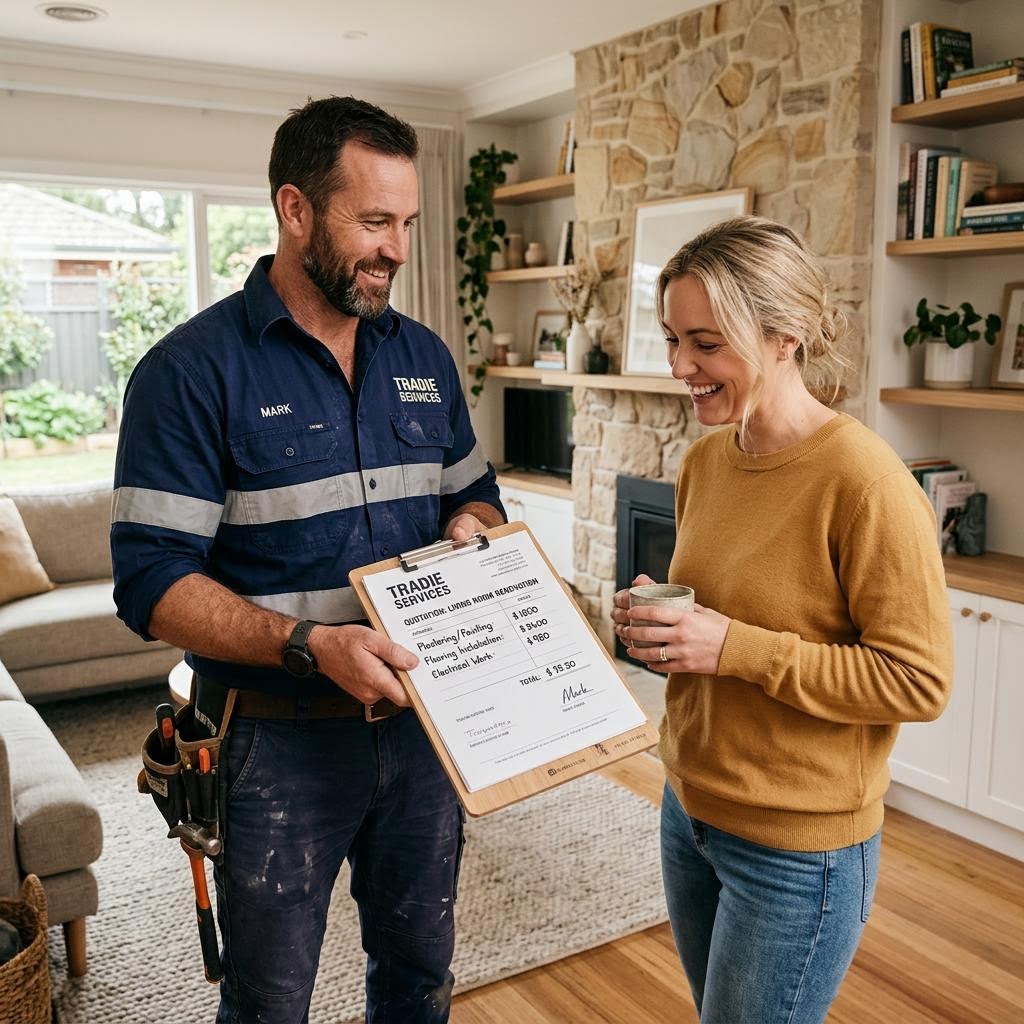
Request the selected floor and heating details, included checks and responsibility for each part of the installation. Clarify warranty conditions and what documentation occupants should retain. At handover, have normal operation demonstrated and ask whom to contact for a floor issue versus a heating fault. A compatible installation is a coordinated specification, not a universal promise that any floor will work with any heating system or deliver a particular running cost.
For a property-specific discussion, contact our underfloor heating team with the details you have gathered.