A lasting interior finish begins before the topcoat. Learn how to prepare the room, discuss wall defects and agree the surface preparation scope.
Fresh paint cannot reliably hide moisture, loose coatings or a poor substrate. Preparation is the part of an interior repaint that establishes what the new finish will be applied to. Homeowners can help by clearing access and identifying problem areas, while leaving hazardous materials and specialist repairs to the right people.
Walk through the walls before choosing a finish
Look for stains, peeling, cracks and patches that keep returning. Tell the painter about previous leaks, recent plaster repairs or areas that feel persistently damp. Photos can help describe the history, but the wall needs an on-site assessment.
A water stain may need its source resolved before decoration. A recurring crack may warrant further assessment rather than another cosmetic fill. If there is mould or ongoing dampness, ask who will investigate the cause and what must be completed before painting proceeds.
Do not disturb uncertain older materials
Before sanding, scraping or drilling older or unknown surfaces, seek advice about possible hazardous coatings or building materials. Do not assume a wall is safe to disturb because the visible paint looks modern.
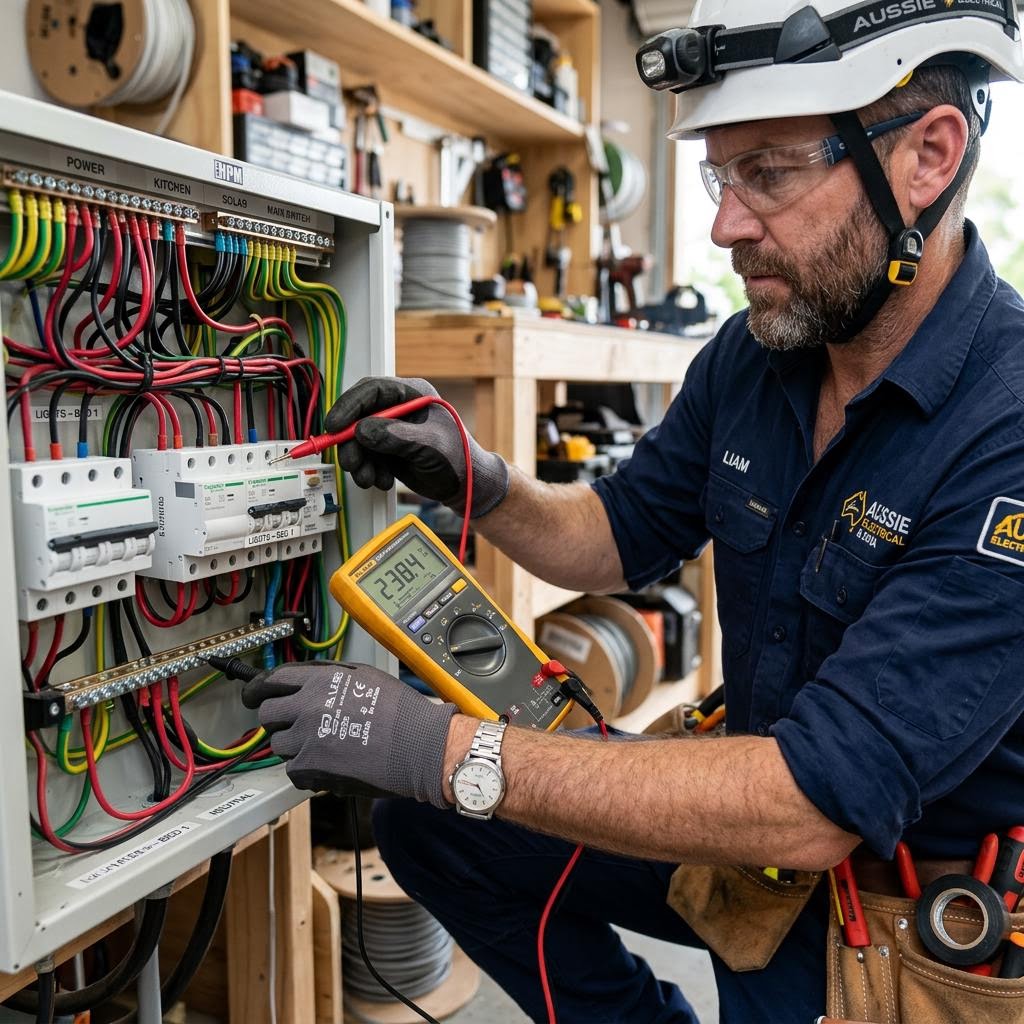
Leave suspect materials undisturbed and arrange appropriate assessment where needed. Avoid removing electrical covers or fittings yourself. Tell the painter if you know of previous testing or restrictions in the property. A preparation plan should account for the substrate rather than defaulting to sanding every surface.
Agree what surface preparation includes
Depending on the condition, preparation may involve appropriate cleaning, treatment of loose coatings, filling, smoothing and priming. The methods and products should suit the existing surface and chosen coating system.
- Which cracks and dents are included in the quoted repairs?
- How will stains or incompatible old coatings be addressed?
- Are trims, doors and ceilings part of the same scope?
- What level of finish is expected under the room’s normal lighting?
Prepare the room, not just the walls
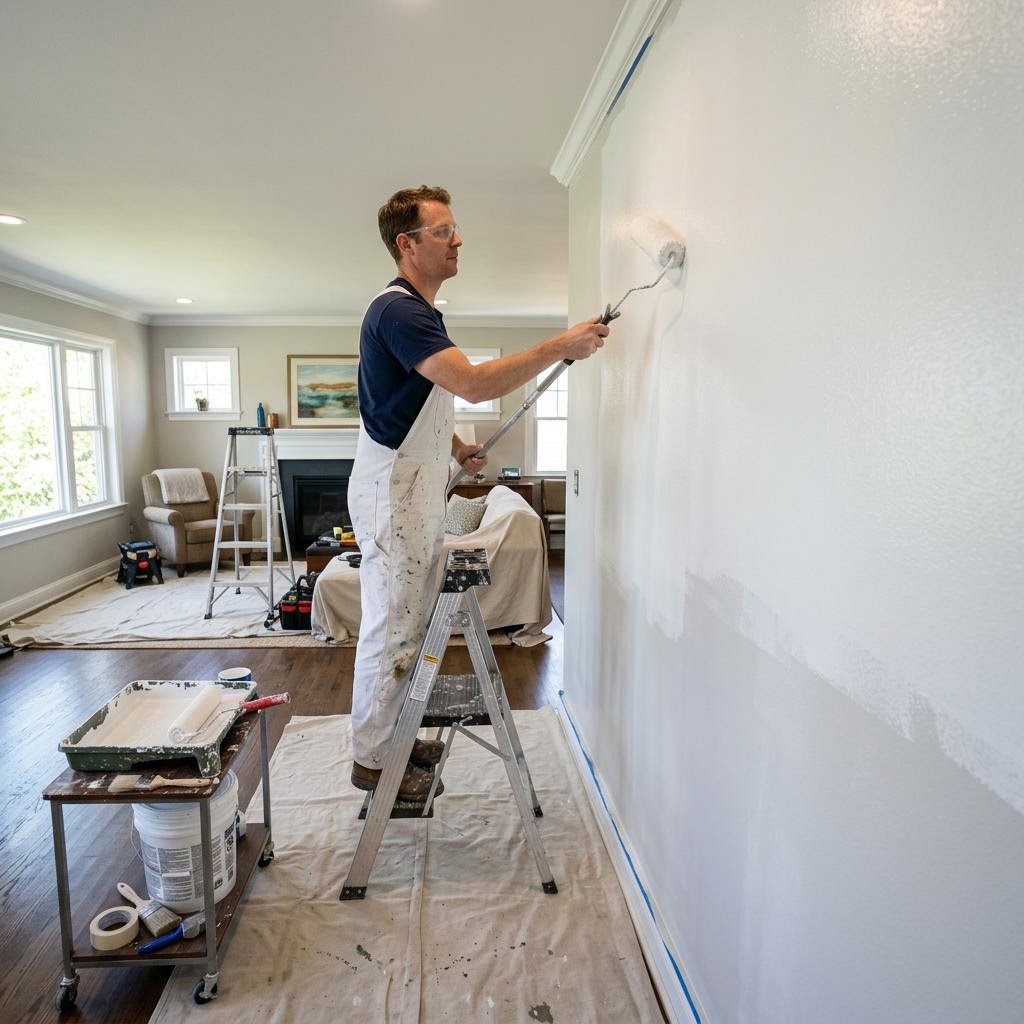
Discuss the sequence with interior painting and surface preparation services so furniture, repairs and painting are coordinated. Remove delicate objects and agree which larger items can be moved safely.
Ask who removes hooks and window furnishings, protects flooring and reinstalls fittings. Keep children and pets away from the work area and follow the painter’s product-specific ventilation and re-entry advice. Confirm drying and cure guidance before cleaning or hanging items on new paint. A clear preparation scope and realistic finish expectations matter more than choosing a colour before the underlying wall is ready.