Relining and replacement suit different pipe problems. Learn how condition, alignment, access and the extent of damage guide a plumber’s recommendation.
When a drain keeps blocking, the important question is not simply whether relining avoids digging. It is whether the proposed method addresses the actual defect. A plumber needs to understand the pipe’s condition, shape, location and function before recommending relining, replacement or a smaller local repair.
Begin with evidence about the existing pipe
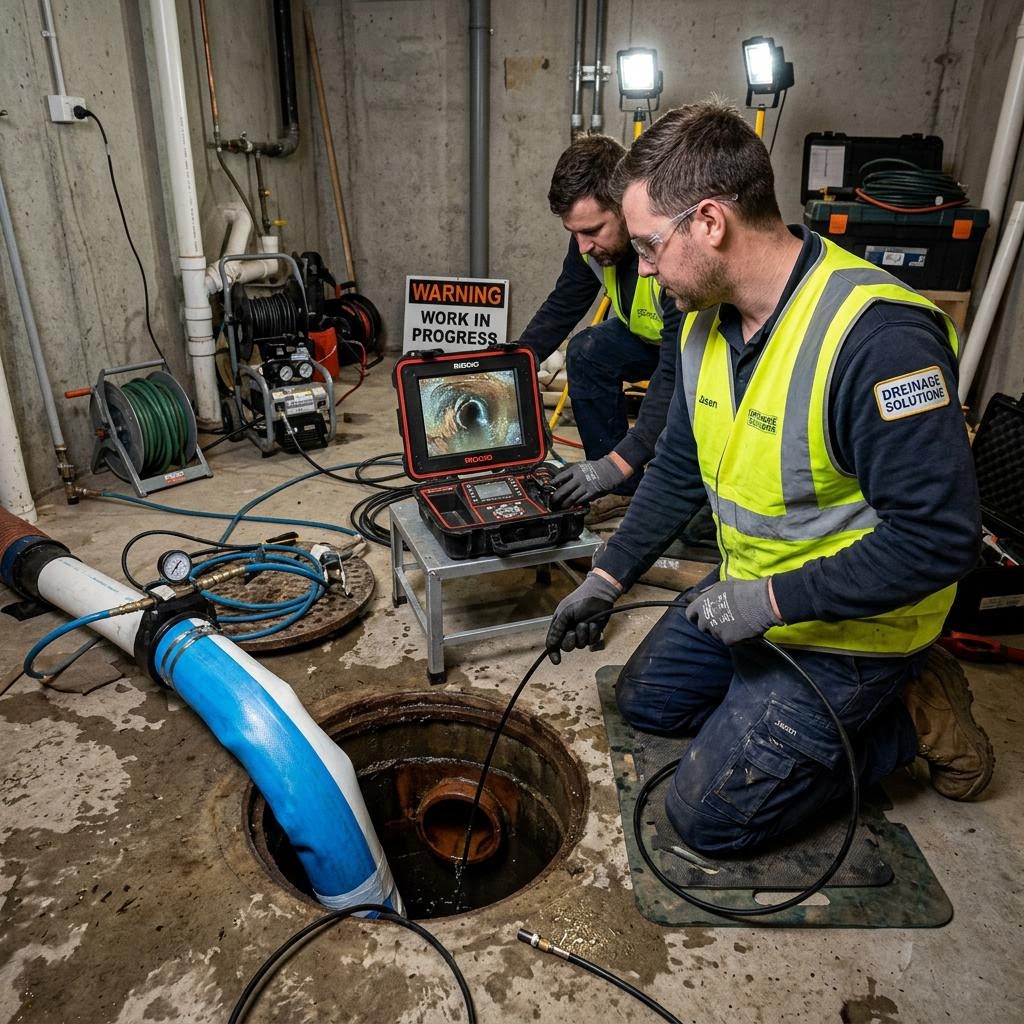
An assessment may involve clearing, camera inspection and locating the affected section. Ask which defects were observed and whether the full problem area could be inspected. Pipe material, diameter, bends and branch connections all influence the options.
Recurring roots can indicate an entry point, but removing roots does not by itself resolve that defect. Likewise, water sitting in a pipe can have more than one explanation. A recommendation should distinguish confirmed damage from conditions that need further investigation.
Where relining may be considered
Relining creates a new internal lining within a suitable existing pipe section. It may be considered where the pipe can be prepared and the chosen system is appropriate for the defect. It does not mean every drain can be repaired without excavation.
The plumber must consider whether the liner can be installed and cured correctly, how connections will be maintained and how the completed work will be checked. Ask about any effect on internal diameter and the suitability of the system for your pipe. A collapsed or badly displaced section may prevent the access or shape needed for relining.
Why replacement may be recommended
Replacement may be needed when a pipe’s alignment or fall needs correcting, a section is inaccessible internally or damage cannot be addressed with a suitable liner. Local excavation and replacement may also be a more practical option for an isolated accessible defect.
In a Sydney property with a paved courtyard or established garden, ask how each option affects surfaces and access. Replacement can involve reinstatement beyond the plumbing itself. Relining can still require access openings or local excavation, so compare actual scopes rather than the labels “dig” and “no-dig”.
Compare written scopes fairly
The team providing pipe relining and plumbing repair services can explain why an option suits the inspected section. Ask for alternatives where technically viable, rather than choosing on a headline description alone.
- Which length and connections are included, and which are excluded?
- Who handles access, waste removal and surface reinstatement?
- How will the completed repair be inspected or tested?
- What written product and workmanship terms apply to this specific job?
Keep the inspection record with the quote. Do not assume a repair lasts for a particular number of years or eliminates every future blockage; those claims need job-specific support. The strongest comparison is between methods that solve the same identified problem.