Unexplained dampness or water use can warrant investigation. Learn how to record the signs and what professional leak detection can establish.
A hidden leak may show up as a persistent damp patch rather than visible flowing water. The challenge is separating plumbing leaks from rain entry, condensation, drainage problems and waterproofing defects. A stain is a reason to investigate, not proof that the nearest pipe has failed.
Look for a pattern in the warning signs
Record where moisture appears, how long it lasts and what was happening beforehand. A patch after rain calls for different checks from one that appears after a shower or stays wet through dry weather.
- New staining, bubbling paint or recurring damp smells.
- A cupboard base that stays wet after visible spills are ruled out.
- An unexpectedly wet garden patch during otherwise dry conditions.
- Unexplained water use compared with your own previous bills.
Gather useful information safely
Photograph the area and note dates, weather and appliance use. Review your water bill against actual household changes: visitors, garden watering or a new appliance may explain some additional use. Do not cut into a wall or dig towards a suspected pipe.
If your water provider recommends a meter observation, follow its instructions and account for automatic appliances, irrigation and shared meters. Meter movement alone does not locate a leak. Do not enter a flooded meter enclosure or operate unfamiliar valves. In units and strata buildings, ask the manager which supply and common areas are involved.
What professional detection can and cannot do
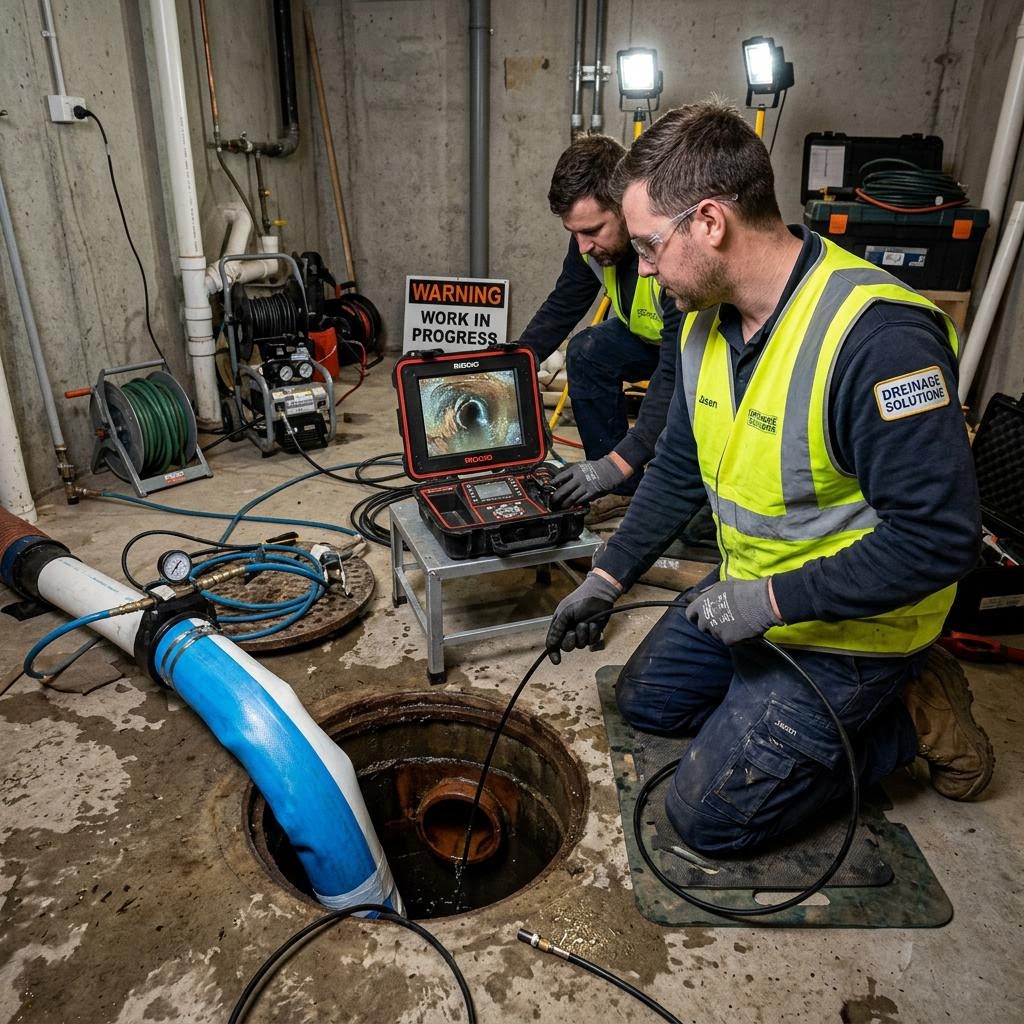
A plumber may combine visual inspection, isolation checks and suitable detection equipment to narrow down the source. The method depends on the pipe material, access and whether the suspected problem is on a pressurised supply or a drain.
Equipment is not a promise of a completely non-invasive repair. Some faults still require targeted access to confirm or fix them. Ask what the initial investigation includes, what evidence supports the finding and what further work would need approval. A clear diagnosis should explain why a particular area needs opening.
Respond to damage while arranging help
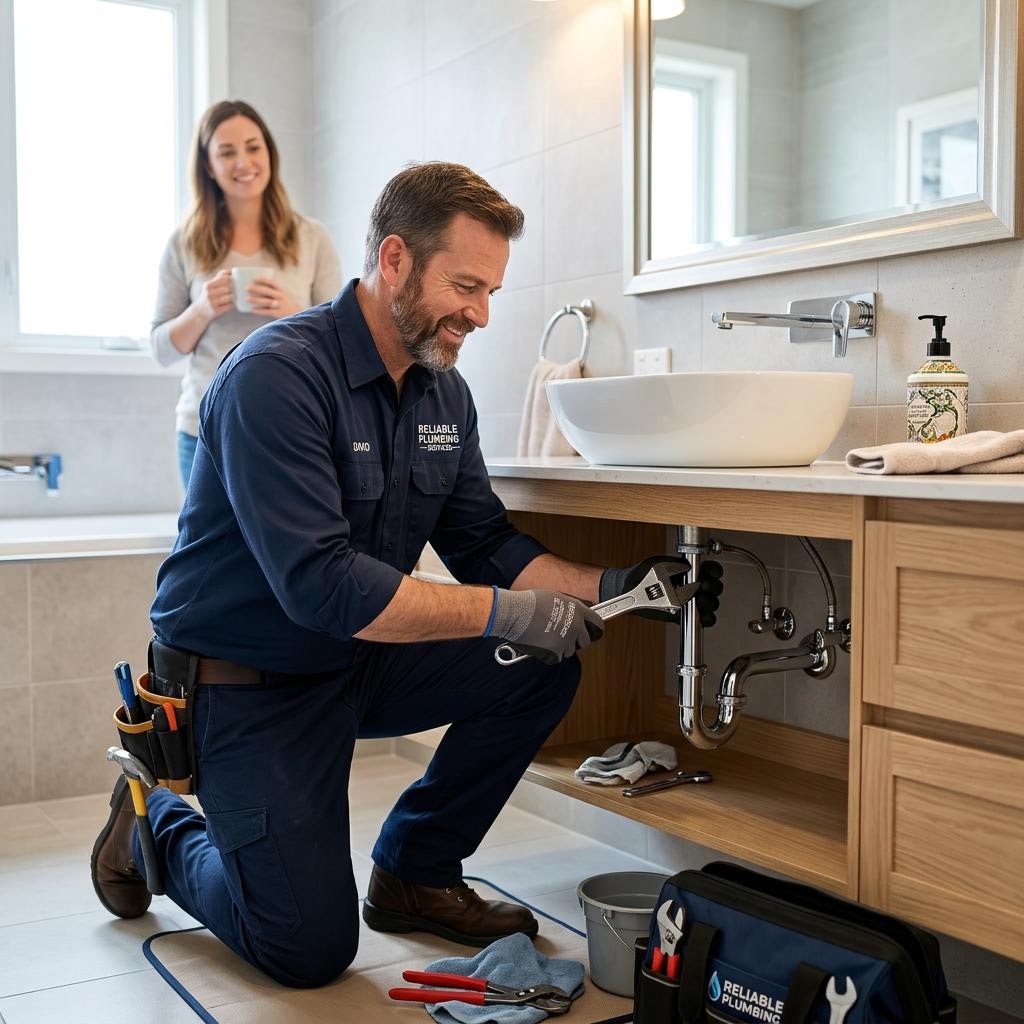
Use professional leak detection and plumbing services when dampness persists or a supply leak is suspected. If water is spreading rapidly, explain that when calling so the situation can be prioritised appropriately.
Stay away from water near electrical fittings, sagging ceilings and unstable surfaces. Move belongings only where access is safe. Keep records for your landlord, strata manager or insurer without delaying urgent assistance. Once the source is repaired, ask who will assess drying and damaged finishes; repainting a damp surface does not resolve the underlying issue.