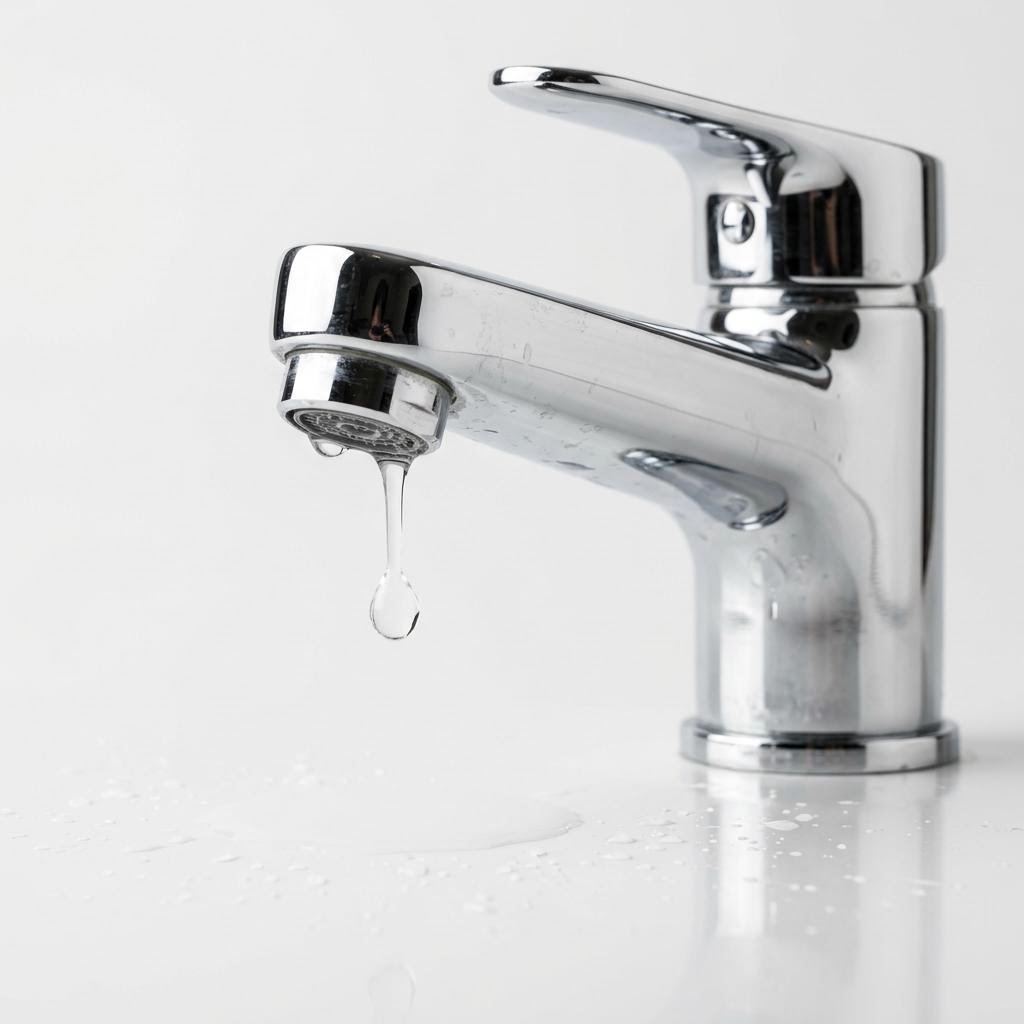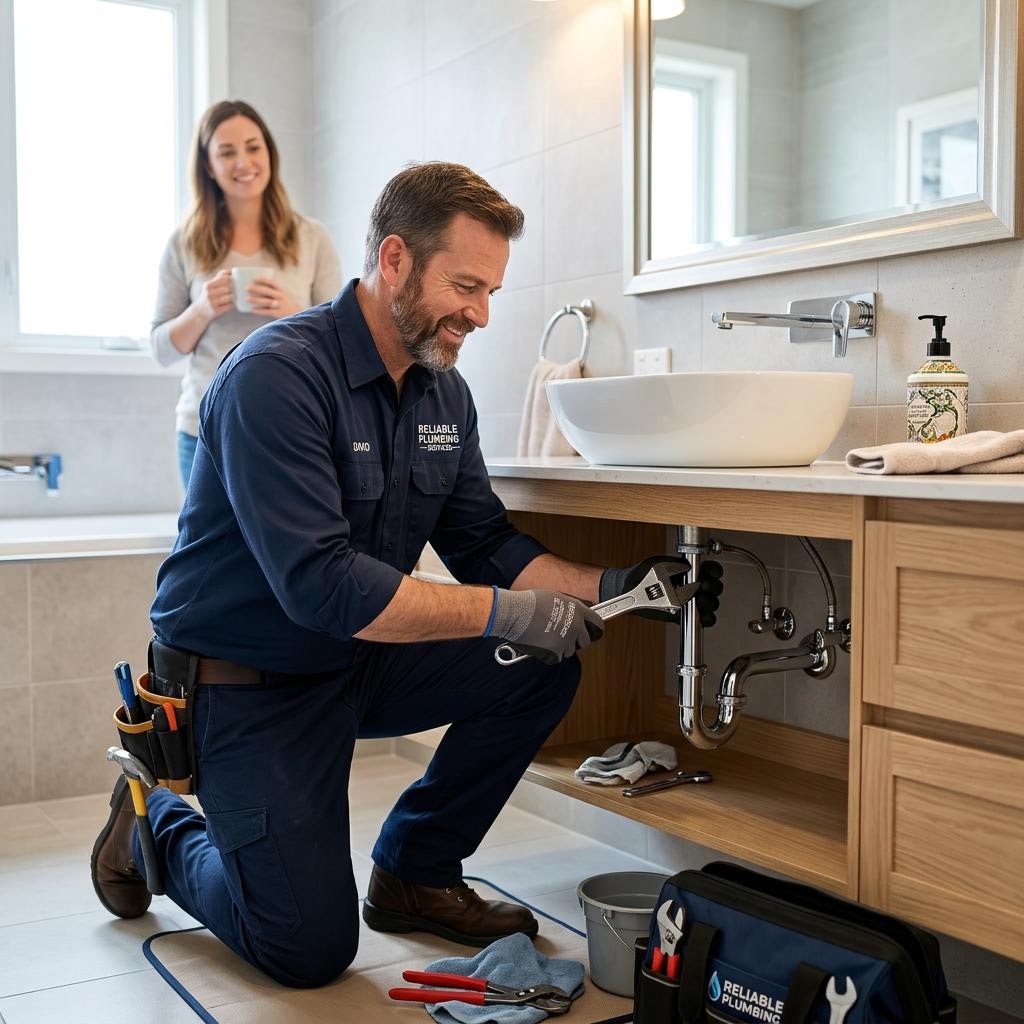
Record where and when water flow seems weak before a plumbing visit. Separate fixture symptoms, hot-water issues and possible network interruptions.
A weak shower does not establish that the whole home has low supply pressure. The symptom may involve one fitting, hot-water delivery, simultaneous use or a wider supply condition. Gathering a few ordinary observations helps a plumber choose where to investigate. Avoid buying a pump or changing valves before the problem and the permitted solution are established.
Describe the affected outlets
Note which taps or showers seem different and whether the change was sudden or gradual. Record whether hot and cold water behave differently during normal use. If only one fixture is affected, say so rather than reporting “no pressure everywhere”. Do not remove fittings or use tools to inspect internal parts. A description of the original normal performance can be helpful even when you have no measurements.
Notice timing without stress-testing
Explain whether the symptom appears at particular times or when appliances are normally running. Do not deliberately run every fixture together to create a dramatic example. In a unit, ask the building manager whether there are known shared-system works or reports from other residents. Shared timing is a useful clue, not proof of the responsible party. Keep any supply-provider messages alongside your notes so the plumber can consider them.
Check available supply information
Sydney Water’s pressure-management guidance explains network pressure and the distinction between the provider’s connection point and private plumbing. It does not promise a particular flow at every shower. Check the provider’s current interruption information where relevant, and ask for advice if there is an apparent wider outage. Do not enter a flooded meter box or adjust unfamiliar valves to test whether the network is responsible.
Report associated changes
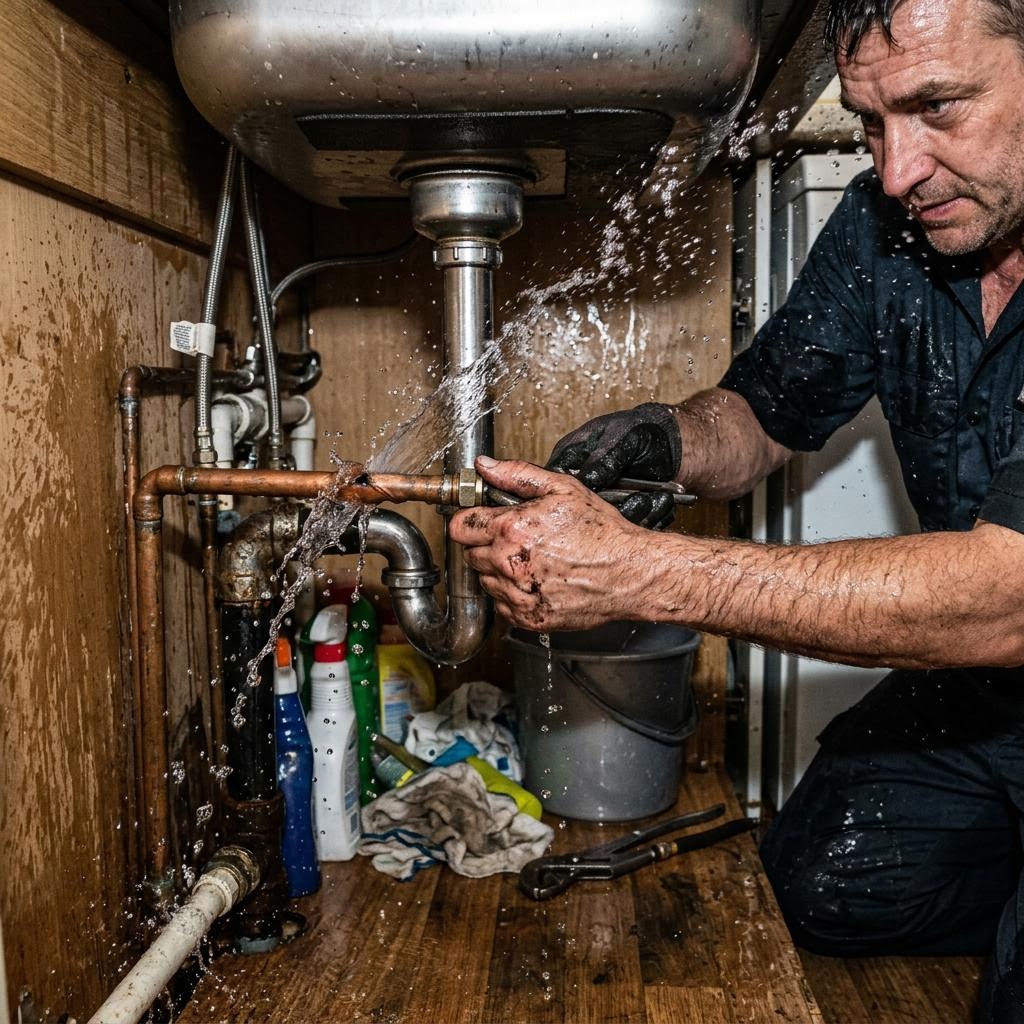
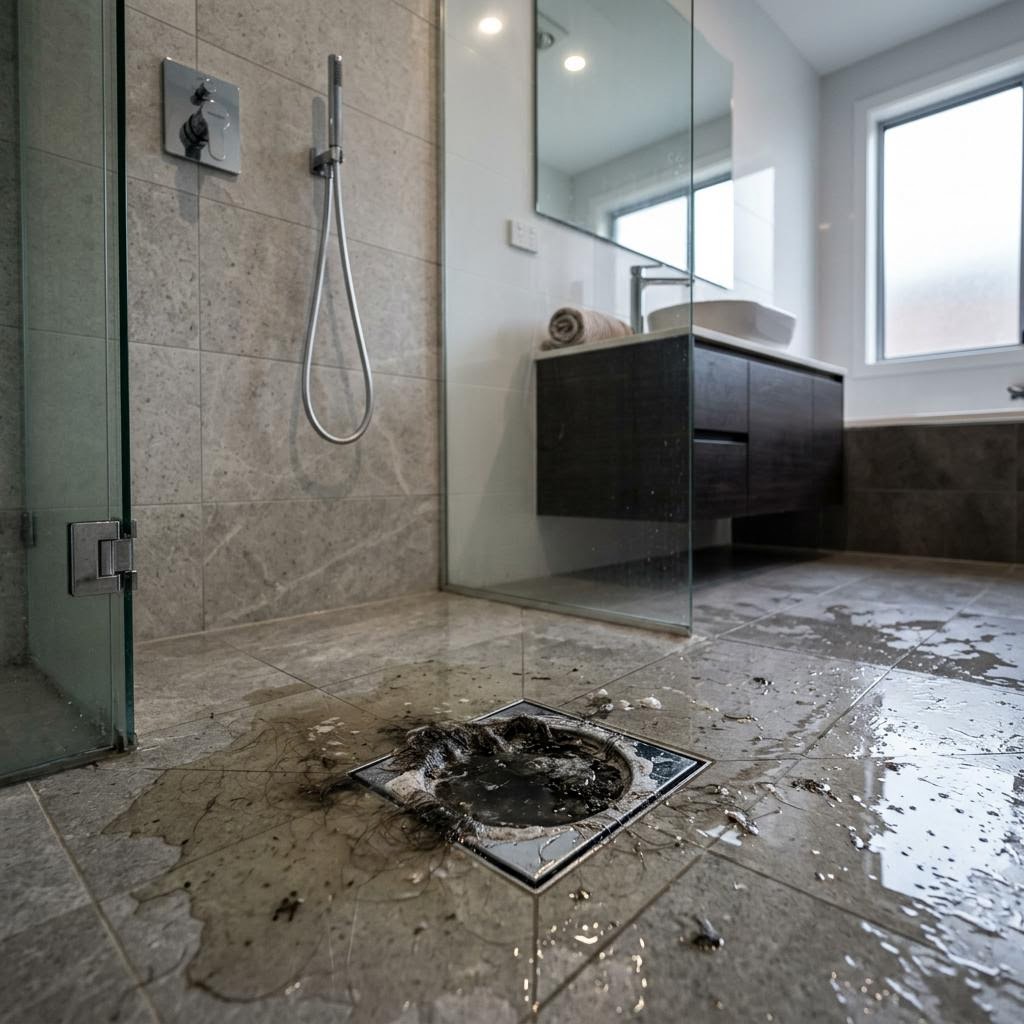
Mention recent plumbing work, new fixtures, changes to hot-water equipment and any leak signs. Discoloured water or an unexplained damp area should be reported separately rather than assumed to have the same cause. If water is spreading near electrical equipment, stay clear and seek urgent assistance. A plumber may need to measure and investigate on site; household impressions cannot distinguish pressure, flow restriction and every equipment fault reliably.
Agree the next step before buying equipment
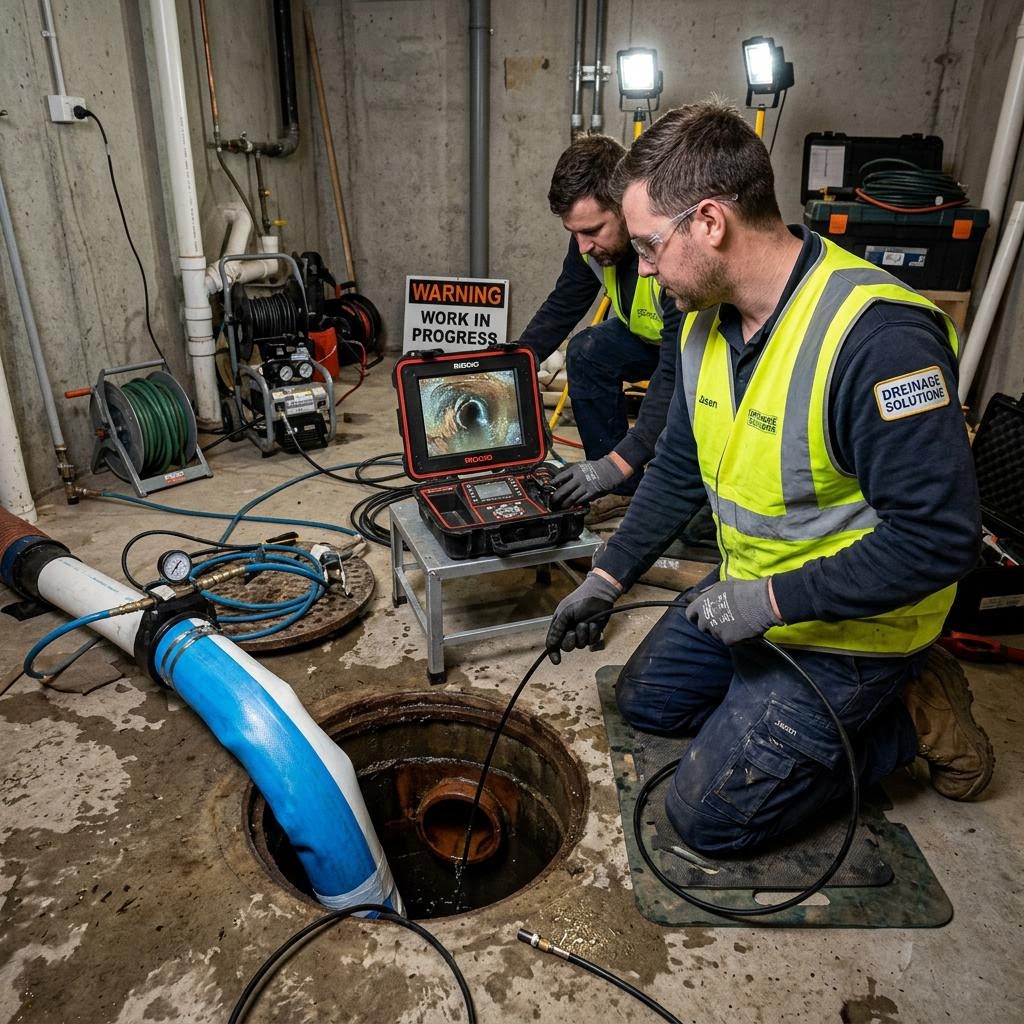
Ask what has been measured, where the restriction or issue is suspected and what remains uncertain. A recommendation should explain why the proposed work suits the findings, including any required provider involvement. Confirm whether repairs, further tests or a separate visit are needed. Keep the report with earlier invoices, particularly if the problem began after alterations. A clear diagnosis is preferable to fitting equipment around an unidentified symptom.
For a property-specific discussion, contact our leak detection team with the details you have gathered.